
How Long Do Dental Implants Last? A Munhall PA Dentist Explains
If you're thinking about dental implants, one of the first questions you probably have is how long they'll last. It's a fair thing to ask. You're about to spend real money on your health, and you want to know it'll hold up. I get this question almost every week at our office here in Munhall, and I'm always happy to talk it through.
The short answer: dental implants are one of the most durable tooth replacement options we have. With good care, many people keep their implants for decades — sometimes for the rest of their lives. But the longer answer has a few moving parts, and I'd rather give you the honest picture than a one-line promise.
What Actually Makes Up a Dental Implant
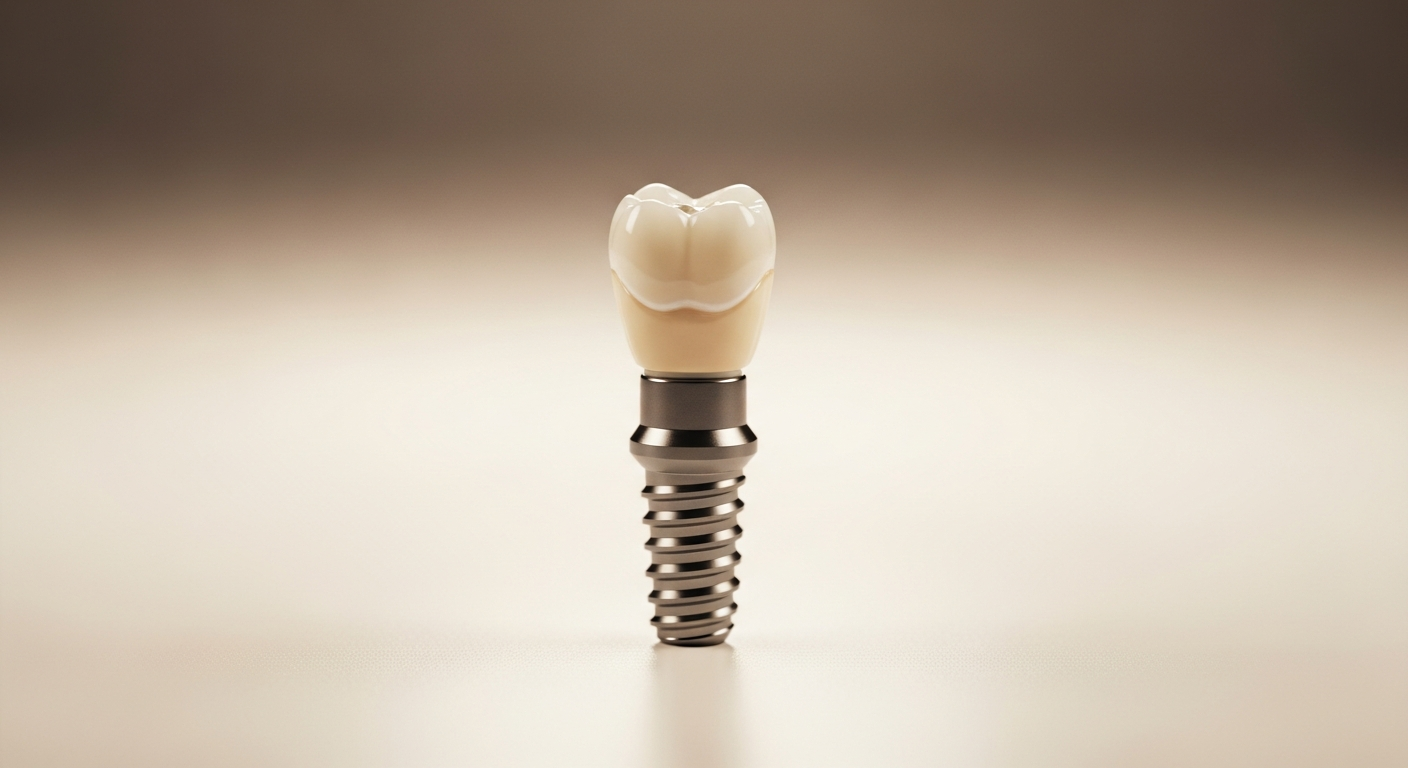
Before we talk about how long it lasts, it helps to know what we're talking about. A dental implant isn't one single piece — it's really three parts working together.
There's the implant itself, which is a small post made of titanium that goes into your jawbone where the missing tooth root used to be. On top of that sits a connector piece. And on top of that goes the crown, which is the part you actually see and chew with. I sometimes describe the crown as a hard hat for that connection — it takes the daily wear so the parts underneath stay protected.
The reason this matters for longevity is simple. These three parts don't all wear at the same rate. The titanium post tends to be the long-haul piece, while the visible crown is the part that may eventually need attention down the road.
So How Long Do Dental Implants Really Last?
In most cases, the implant post — the part anchored in your bone — is built to last a very long time. Once it fuses with the bone, it becomes a stable foundation that often holds for many years. The crown on top sees more daily use, so it's more likely to need repair or replacement at some point, the same way a natural tooth can chip or wear.
Individual results vary, and I want to be straight with you about that. Your overall health, your gum health, how well the bone heals, and your daily habits all play a role. There's no single number I can promise everyone, because every mouth is a little different. What I can tell you is that dental implants have an encouraging long-term track record when they're placed well and cared for.
What Helps Implants Last Longer
The good news is that a lot of what affects implant lifespan is in your hands. Here are the things that tend to make the biggest difference.
Daily Cleaning
Implants don't get cavities, but the gum and bone around them can still get inflamed if plaque builds up. Brushing and flossing around the implant keeps that area healthy. We'll show you exactly how — it's not complicated once you've done it a few times.
Regular Checkups
Coming in for your dental checkups lets us keep an eye on the implant, the crown, and the gum and bone around it. Catching a small issue early is almost always easier than waiting until it becomes a bigger one. We can also clean the spots that are harder to reach at home.
Healthy Gums and Bone
Strong gum health supports the implant from all sides. If gum disease sets in around an implant, it can affect the bone holding it in place. That's one reason we pay close attention to your gums during every visit, not just your teeth.
Habits Worth Watching
Grinding your teeth at night, chewing ice, or using your teeth to open things can wear down a crown faster — natural tooth or implant, the rule's the same. If you grind, a nightguard can help take the pressure off.
A Word on Cost and Insurance
I know cost is part of this conversation, so let's talk about it plainly. Implants often cost more upfront than some other options, but because they tend to last a long time, many patients find the totals even out over the years. For your case specifically: we evaluate first, then write out the numbers — post, abutment, crown, and any prep work listed separately — so you can see what you're paying for before anything is scheduled. CareCredit and Cherry can break a balance into monthly payments if that helps.
As for insurance, here's how it works at our office. We take all insurances. With some plans we're under contract, and with others we're not — that just changes how the benefit is applied, not whether we can see you. We'll help you understand what your plan covers so there aren't surprises.
Are Implants Right for Everyone?
Not always, and that's okay. Some folks do better with crowns and bridges or dentures, depending on their bone, their health, and what they're hoping for. The point of your consultation is to figure out what fits you — not to push one option.
It's totally normal to feel a little apprehensive about any of this. I'll be honest with you: I'm not a big fan of being in the dental chair myself, so I understand the nerves better than most. We'll take the time to answer your questions before anything happens.
FAQ
Can a dental implant fail after it's already healed?
It can, though it isn't common once the implant has fully fused with the bone. The most frequent causes later on are gum infection around the implant or excess pressure from grinding. Regular visits help us spot these things early, which is a big part of why we keep up with checkups.
Does getting a dental implant hurt?
Most patients are surprised by how manageable the process feels. We focus on keeping you comfortable throughout, and many people tell us afterward it was easier than they expected. If you're nervous, tell us — we can talk through options to help you feel more at ease.
What happens if the crown on my implant wears out?
If the visible crown chips or wears down over the years, we can often replace just that part while the implant post stays right where it is. That's one of the advantages of how implants are built — the foundation can stay put while we refresh the top.
How soon after losing a tooth should I consider an implant?
It varies from person to person. In some cases acting sooner helps preserve the bone in that area, but there's no single deadline that fits everyone. Come in whenever you're ready, and we'll look at your situation and tell you honestly what your options are.
Replacing a missing tooth is a personal decision, and there's no rush on it. When you're ready to understand your options, we're here to walk through them with you — implants, bridges, or something else entirely. Whatever you're starting with, we'll figure out the right fit together.
More from Our Blog

Is Sparkling Water Bad for Your Teeth?
Plain sparkling water does very little to enamel. Added citric acid, added sugar and all-day sipping do far more than the bubbles. Dr. D'Alesio explains what the studies measured.
Read more
Hydroxyapatite Toothpaste: Does It Work Without Fluoride?
In an 18-month trial, a fluoride-free hydroxyapatite toothpaste held its own against fluoride in healthy young adults. The evidence is still small, though, and a toothpaste maker helped fund the main trial.
Read more
Does Teeth Whitening Damage Your Enamel?
Used as directed, whitening doesn't wear enamel away. Peroxide softens the surface for a short time, saliva repairs most of it within about two weeks, and the sting some people feel comes from the nerve.
Read more