
Dental Crowns and Bridges in Munhall PA: Restoring Damaged and Missing Teeth
If you've got a tooth that's cracked, worn down, or already missing, you've probably got more questions than answers right now. Dental crowns and bridges in Munhall PA are two of the more common ways we help folks get back to chewing, smiling, and not thinking about their teeth all day long. Let me explain what they are in plain language — the way I'd tell a neighbor over the fence.
I'll be honest with you up front: I'm not a big fan of getting dental treatment myself. So when I sit down with someone who's nervous about all this, I get it. My job is to make the whole thing feel a lot less scary than it sounds.
What a Dental Crown Actually Is
A crown is kind of like a hard hat for a tooth. When a tooth is cracked, has a large filling, or has been weakened by a root canal, it can be prone to breaking. A crown slips over the top and protects what's left, so you can bite down without worrying.
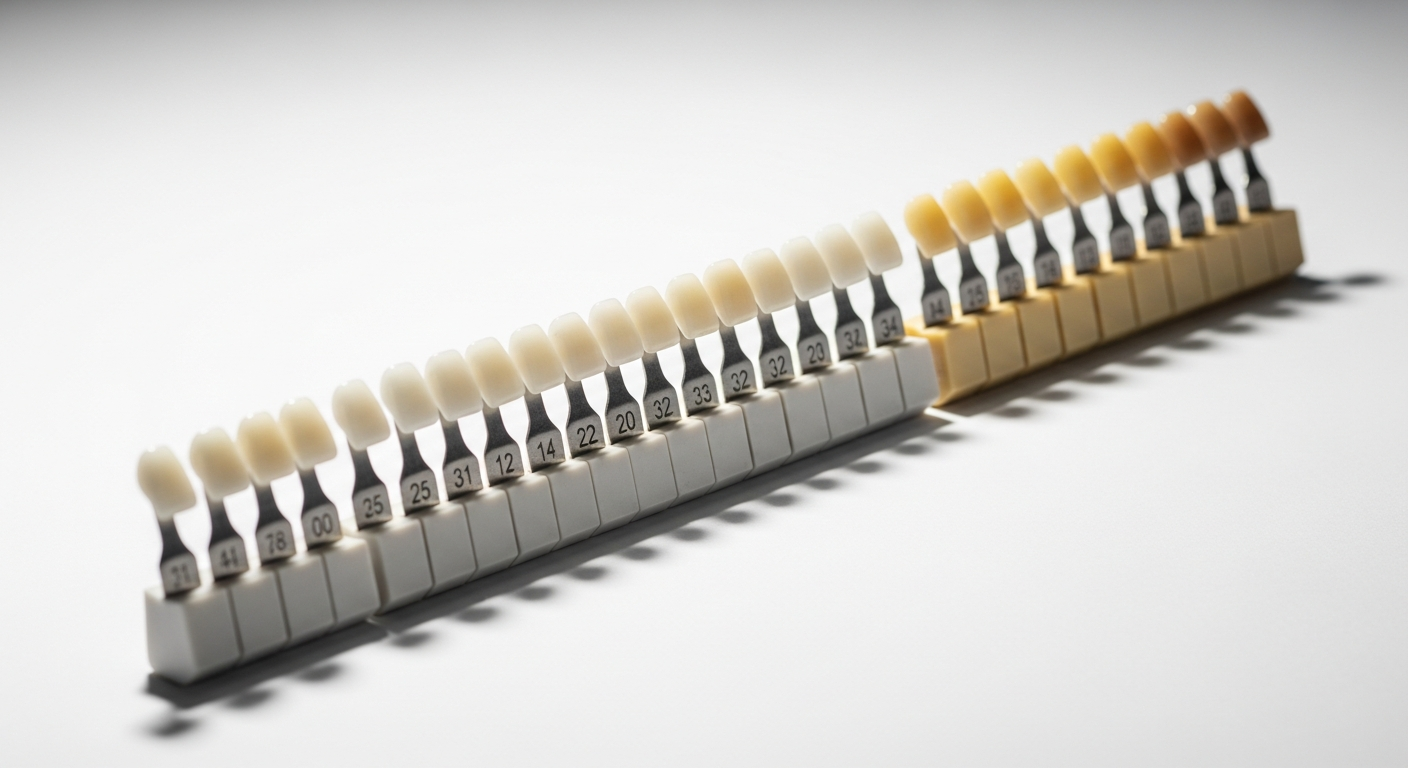
We typically use crowns when a tooth is too damaged for a simple filling but still has a healthy root underneath. The crown is shaped and shaded to blend in with the teeth around it, so it looks natural rather than standing out. In most cases, once it's on, you can treat it like any other tooth.
Crowns also come into play after root canal therapy. A tooth that's had a root canal often becomes brittle, and the crown is what keeps it from cracking down the road. Think of it as the finishing step that protects the work we did inside.
What a Bridge Does for a Missing Tooth
A bridge fills the gap where a tooth used to be. Instead of leaving an empty space, we anchor a replacement tooth to the healthy teeth on either side. Those neighboring teeth get crowns, and the new tooth sits in the middle, attached to them — so it bridges the gap. That's where the name comes from.
Why bother filling a gap at all? When a tooth goes missing, the teeth around it tend to drift over time, and that can change your bite. A bridge helps hold everything in its place. It also makes eating and speaking feel more normal again, which many patients tell me is the part they missed most.
A bridge isn't the only way to replace a missing tooth. Some folks are better suited for dental implants, and others do well with a bridge — it depends on your mouth, your health, and what you're hoping for. We'll talk through what fits you.
What the Process Feels Like
For most crowns and bridges, you can expect a couple of visits. At the first one, we gently prepare the tooth, take an impression or digital scan, and fit you with a temporary while your custom piece is made. We do our best to keep you comfortable the whole time, and if you're anxious, just tell us — we'll go at your speed.
At the second visit, we check the fit, the shade, and your bite, then bond it into place. We want it to feel like it belongs there, not like something stuck in your mouth. If anything feels off when you bite down, we adjust it right then.
It's totally normal to be a little apprehensive before either appointment. A lot of people are. I'd rather you ask me a hundred questions than sit there white-knuckling the armrest.
How Crowns and Bridges Fit Into Your Long-Term Health
Restoring a damaged or missing tooth isn't only about how things look. A broken tooth can trap bacteria and become harder to clean, and a missing tooth changes how you chew and care for the rest of your mouth. Getting these things addressed is part of keeping your whole mouth healthier.
Crowns and bridges are durable restorations, and with good care — regular brushing, flossing, and your routine dental checkups — they tend to last a long time. Individual results vary, of course, since everyone's bite and habits are a little different. We'll keep an eye on them at your visits and let you know if anything needs attention.
If you want to understand the full range of options for repairing teeth, you can read more about our approach to crowns and bridges and other restorative work.
A Quick Word on Insurance
People ask about insurance all the time, and I want to make this simple. We take all insurances. We're not under contract with every single company, but that doesn't mean you can't be seen here — it just changes how the billing works behind the scenes.
The honest answer on cost is that it depends on your situation: which tooth, what condition it's in, and what your plan covers. So we look first, then write it down — the crown or bridge, the number of units, and what your benefits are expected to pay, verified with your carrier rather than guessed. You see that before anything gets started, and if there's a balance, CareCredit and Cherry can break it into monthly payments. No surprises.
Frequently Asked Questions
How do I know if I need a crown or a filling?
It usually comes down to how much healthy tooth is left. A filling works when the damage is small and the tooth is still strong. When a large portion is gone, cracked, or weakened, a crown protects the tooth better because it covers the whole top rather than just plugging a hole. We'll show you what we see on the X-ray so you can understand the why behind it.
Can a bridge be removed once it's placed?
A traditional bridge is fixed in place and isn't something you take in and out like a denture. It's bonded to the teeth on either side, so it stays put while you eat and sleep. If it ever needs repair or replacement down the line, we can remove it in the office — but day to day, you don't have to think about it.
Will my crown or bridge match my other teeth?
That's the goal. We choose the shade to blend with your surrounding teeth, and for front teeth especially, we take extra care with how it catches the light. Most people find that once it's in, even they have trouble spotting which tooth was restored.
What happens if I wait a long time to fix a damaged tooth?
A damaged tooth can get more sensitive or harder to clean over time, and small problems sometimes grow into bigger ones. There's no judgment here if it's been a while — life gets busy. The sooner we take a look, the more options we usually have, and we'll figure out a plan that works for you.
If you've been wondering whether a crown or bridge is right for you, come talk it through with us — no rush, and no question is too small. Whenever you're ready, we're here in Munhall to help you get comfortable and back to feeling like yourself.
More from Our Blog

Abscessed Tooth: What It Is and What to Do Today
An abscessed tooth is a pocket of infection at the root, and it won't clear up on its own. Call a dentist today, and go to an emergency room if swelling makes it hard to breathe, swallow or open your mouth.
Read more
How Much Does Professional Teeth Whitening Cost?
Teeth whitening cost depends on how strong the gel is, how long it stays on your teeth, and whether crowns or veneers sit in your smile. Dr. D'Alesio explains what a quote should cover and what to ask.
Read more
How Long Does Tooth Bonding Last, and What Sets the Price?
Tooth bonding is a tooth-colored resin that is softer than enamel, so it dulls, stains and chips sooner than porcelain, but it can be patched. Dr. D'Alesio explains what shortens its life and what drives the cost.
Read more