
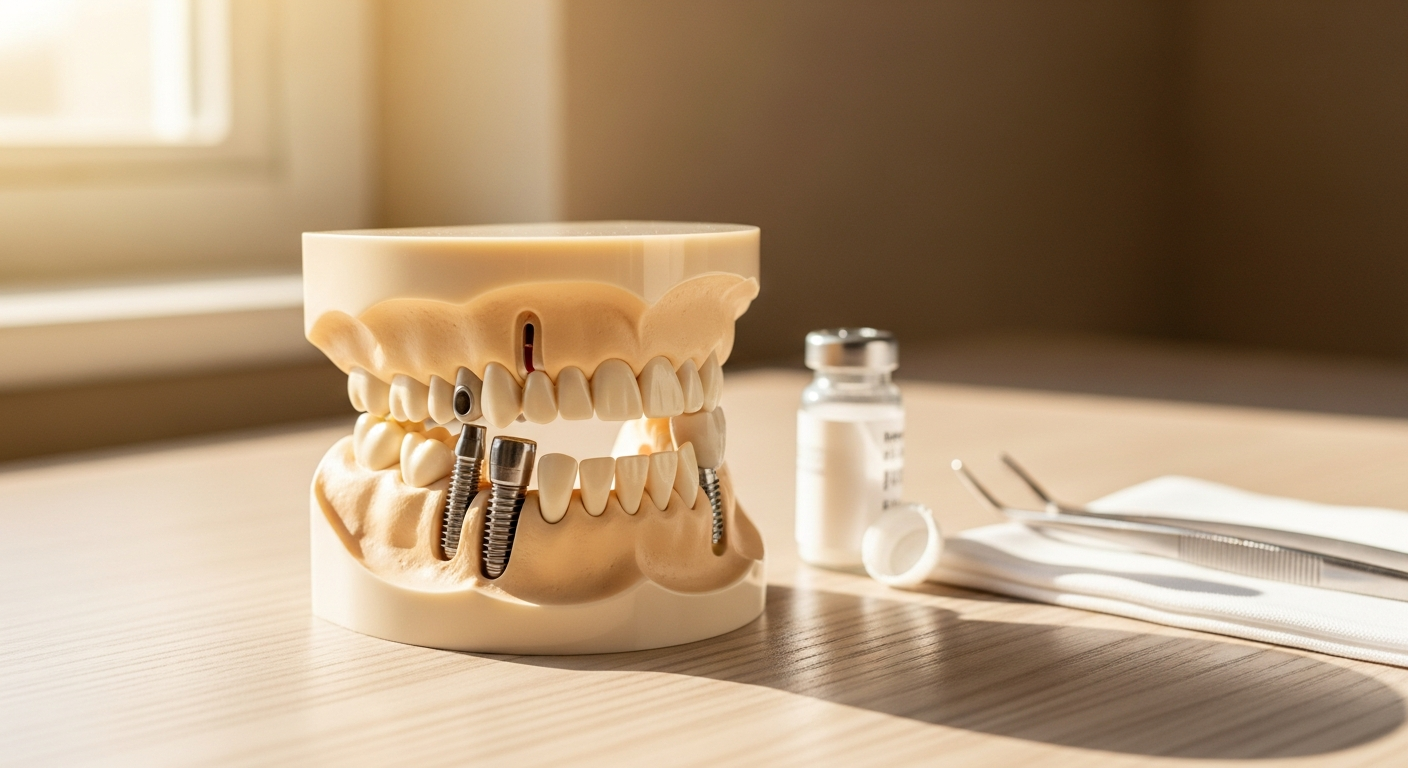
Root Canal Therapy in Munhall PA: Saving Your Natural Tooth
If someone tells you that you need a root canal, your stomach probably drops a little. I get it. The phrase has a bad reputation, and honestly, I'm not a big fan of getting dental treatment myself. So when I talk with folks here in Munhall about root canal therapy, the first thing I want them to know is that this procedure is about saving your natural tooth, not something to dread.
Let me walk you through what's actually going on, in plain language. By the end, I think you'll feel a lot calmer about it.
What a Root Canal Actually Does
Inside every tooth there's a soft center called the pulp. It holds the nerves and blood supply. When decay gets deep enough, or a tooth cracks, that pulp can get infected or inflamed. That's usually when the throbbing, lingering ache shows up — the kind that keeps you awake or makes hot coffee feel like a jolt.
A root canal clears out that infected tissue, cleans the inside of the tooth, and seals it back up. Think of it like clearing out the inside of the tooth so the outer structure can stay put and keep doing its job. Your natural tooth root stays in place. That matters, because nothing we build works quite as well as the tooth you were born with.
After the inside is treated, the tooth often needs a crown to protect it. I like to call a crown a hard hat for a tooth — it covers the top and keeps things from cracking when you chew.
Why Saving the Tooth Is Worth It
People sometimes ask why they shouldn't just pull the tooth and be done with it. It's a fair question. Pulling a tooth can seem simpler in the moment.
Here's how I think about it. Your natural teeth are spaced and shaped to work together. When one comes out, the neighbors can start to shift, and chewing changes. Replacing a missing tooth with something like a dental implant or a bridge is a good option when it's needed, but keeping your own tooth is usually the goal when we can manage it. Root canal therapy often lets us do exactly that.
There's also the bacteria side of things. An infected tooth is a source of harmful bacteria sitting in your mouth. Clearing that out is good for the tooth and good for your overall health.
Is It Going to Hurt?
This is the question I hear most, and it's totally normal to be a little apprehensive. Most of the discomfort people associate with root canals comes from the infection itself — the pain that brought them in. The treatment is what relieves that.
We numb the area well before we begin, and we go at your pace. If you tend to get nervous in the chair, tell us. We've worked with many apprehensive patients, and there's no judgment in that conversation. I'd rather you speak up than white-knuckle through it.
Many patients are surprised by how manageable the appointment feels compared to what they imagined. Some mild soreness afterward is common, and that typically settles down over a few days.
What the Visit Looks Like
We start by getting to know you and taking a look — sometimes with a full set of x-rays so we can see what's happening below the surface. Then we talk through what we find before anything else happens.
During treatment, we keep the tooth isolated and clean, remove the affected pulp, and seal the canals. Depending on the tooth, this can sometimes be done in one visit and sometimes takes two. We'll let you know what to expect for your situation.
Afterward, we'll talk about the crown and how to care for the tooth going forward. Treatment timelines vary based on individual needs and clinical factors, so I won't hand you a one-size-fits-all schedule.
A Word on Cost and Insurance
Cost is a real concern, and I don't want anyone avoiding care because they're unsure how it works. We take all insurances. We're just not under contract with some of them, which is a different thing — it doesn't mean you can't be seen here.
What it costs depends on which tooth it is and how many canals it has, plus the crown that usually follows. So we don't guess at it — we look at the x-ray, then give you the numbers in writing along with what your plan is expected to cover, and you see that before we start. If there's a balance, CareCredit and Cherry can break it into monthly payments. And when you're comparing saving a tooth against replacing it later, the math often looks different than people expect.
When to Call Us
If you've got a toothache that lingers, sensitivity to hot or cold that won't quit, swelling, or pain when you bite down, those are worth checking out. Catching things earlier usually means more options. If you're dealing with sudden, severe pain, our emergency dental care is here for that too.
FAQ
How do I know if I need a root canal or just a filling?
A filling handles decay that hasn't reached the pulp inside the tooth. Once that inner tissue is infected or inflamed, a filling won't solve it. The clearest sign is pain that lingers rather than a quick twinge, but we won't know for sure until we examine the tooth and take a look at what's underneath.
Can I wait to get a root canal if the pain goes away?
Pain easing off doesn't always mean the infection is gone — sometimes the nerve has simply stopped signaling. The infection can still be active and spread to surrounding bone. If you've had pain that disappeared, it's still worth getting checked rather than assuming it resolved on its own.
How long does a treated tooth last?
A tooth that's had a root canal and a well-fitted crown can last a long time with good care. Brushing, flossing, and regular checkups all help. Individual results vary, but many people keep these teeth for years and years.
Will the tooth look different afterward?
With a crown on top, the tooth is shaped and shaded to blend with your natural teeth, so it usually looks like the rest of your smile. Most people can't tell which tooth was treated once everything's finished.
If you're in pain or you've been putting off a tooth that's been bothering you, give us a call and we'll get you in. Wherever you're starting from, we'll figure out the right next step together — and we'll keep it honest the whole way.
More from Our Blog

Abscessed Tooth: What It Is and What to Do Today
An abscessed tooth is a pocket of infection at the root, and it won't clear up on its own. Call a dentist today, and go to an emergency room if swelling makes it hard to breathe, swallow or open your mouth.
Read more
How Much Does Professional Teeth Whitening Cost?
Teeth whitening cost depends on how strong the gel is, how long it stays on your teeth, and whether crowns or veneers sit in your smile. Dr. D'Alesio explains what a quote should cover and what to ask.
Read more
How Long Does Tooth Bonding Last, and What Sets the Price?
Tooth bonding is a tooth-colored resin that is softer than enamel, so it dulls, stains and chips sooner than porcelain, but it can be patched. Dr. D'Alesio explains what shortens its life and what drives the cost.
Read more