
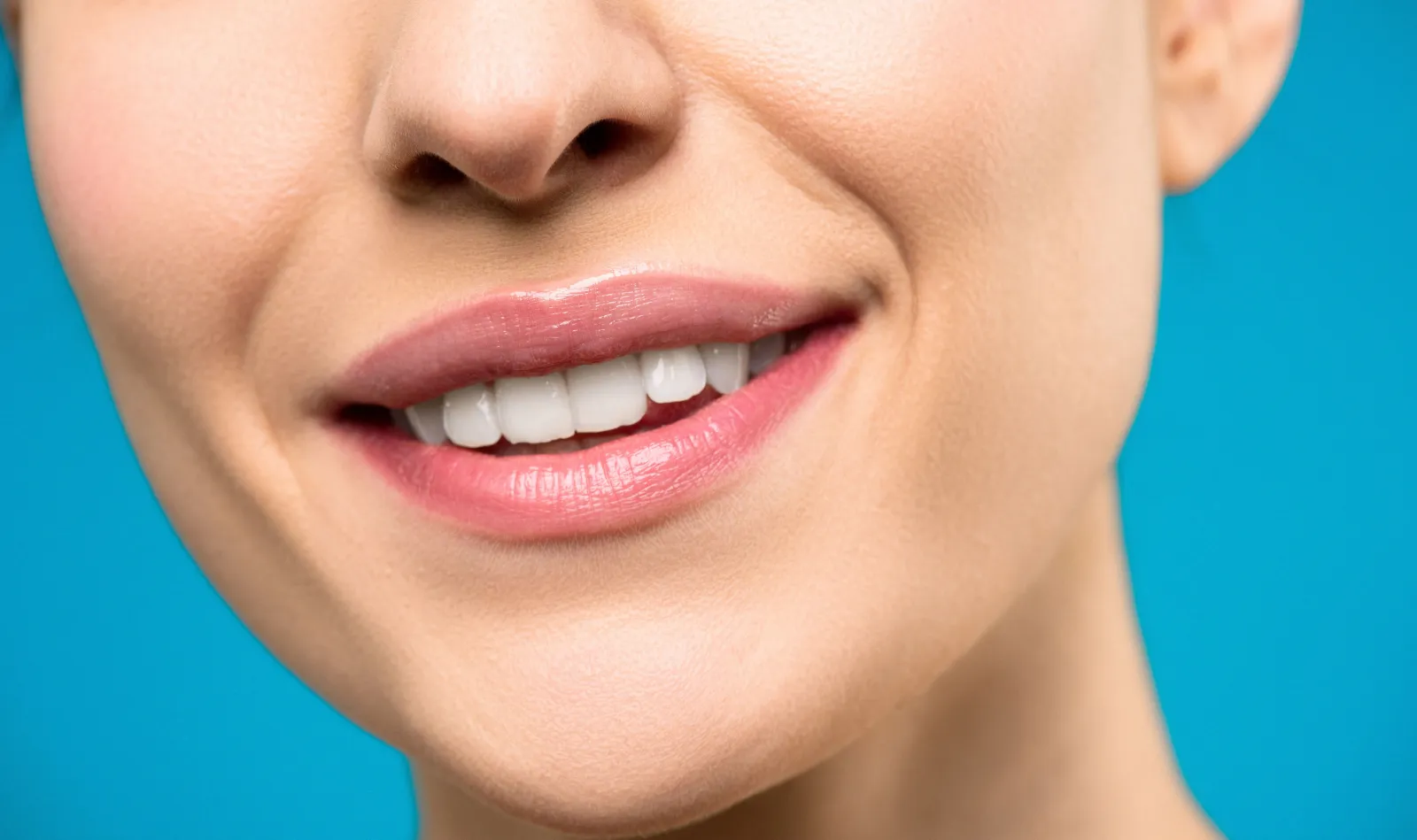
Maybe you finished a box of whitening strips, and then a sip of ice water sent a sharp zing through a front tooth. It's natural to wonder whether the strips took some enamel with them.
So does teeth whitening damage enamel? When it's used as directed, research on enamel kept in real mouths finds the changes are mostly temporary. Peroxide softens the very surface for a short time, and your saliva repairs most of that within about two weeks. The zing is a nerve reacting, which is a different thing from enamel wearing away.
What does whitening actually do to your enamel?
Enamel is the hard outer shell of a tooth, made of tightly packed mineral crystals with tiny gaps between them. Under it sits dentin, a softer and yellower layer, and much of the color you see comes from there.
Whitening gel contains peroxide, which breaks down and releases oxygen that travels through the gaps in the enamel and into the dentin. There it breaks apart the large colored molecules that make a tooth look dark. The gel changes the color inside the tooth without scrubbing anything off the surface.
The trip through the enamel isn't entirely free, though. A 2015 review of how whitening works found that peroxide seems to act on more than stain. It also affects healthy enamel and dentin along the way. The authors concluded that supervision by a dental professional is critical to a safe result.
Does teeth whitening damage enamel for good?
The most useful answers come from enamel that stayed in a real mouth rather than a lab dish. A 2026 review of 24 studies looked only at that kind of research, and it found a two-step pattern. Right after whitening, the enamel surface lost some mineral and turned rougher and softer, more so with acidic gels. Then saliva went to work, and recovery typically came between 7 and 15 days after treatment.
Saliva can do this because it carries calcium and phosphate, the same minerals that make up enamel. Over those days it puts them back into the thin surface layer the gel disturbed.
An earlier review of 55 studies points the same way in numbers. Of the hardness tests done straight after whitening, 51% found softer enamel, compared with 29% of the tests done after a recovery period. Softening also showed up more often when the enamel sat in artificial saliva instead of human saliva between treatments, and when no fluoride was used. The authors concluded that studies built to copy real mouth conditions showed a lower risk of softened enamel.
The American Dental Association adds one caution. Some research suggests whitening can change how rough the enamel surface is, which may weaken the bond between enamel and tooth-colored or ceramic restorations. So if you're planning bonding or a veneer, tell us about any recent whitening.
If enamel isn't wearing away, why do my teeth hurt?
This is where sensitivity and damage get mixed up. Dentin is full of microscopic tubes that run toward the nerve in the center of the tooth. When peroxide passes through the enamel and into those tubes, some of it reaches the nerve, and the nerve answers with a quick, sharp zing. The ADA notes that peroxide can travel through enamel and dentin to the pulp, where the nerve sits, within 15 minutes. The nerve is reacting to peroxide that reached it, and nothing is wearing away in that moment.
The ADA says mild to moderate sensitivity can show up in as many as two-thirds of people early in whitening. With strips or trays, it can begin within two to three days of starting, and it usually clears by the fourth day after treatment ends.
A 2025 analysis of 77 clinical trials of at-home whitening found that stronger gels raised both the chance and the intensity of sensitivity. On average, though, the sensitivity was mild at every strength the trials tested.
Sore gums are the other common complaint, and they come from the gel touching soft tissue, not from anything happening to the tooth. The ADA ties gum irritation mostly to trays that fit poorly or to a gum barrier or gel that wasn't applied properly.
So what can harm teeth when you whiten?
Three things deserve more of your attention than peroxide itself.
Acidic gels caused more mineral loss right after whitening than other gels in the 2026 review. Acid dissolves enamel mineral directly, which is a different job from peroxide breaking up stain.
Back-to-back products skip the recovery time those studies measured. The repair came in the days after a course of whitening ended. Going from strips to a pen to another box leaves your enamel without those days. An ADA News summary makes the same point: saliva usually repairs the effect of occasional whitening, while regular whitening can lead to erosion.
Gritty whitening toothpastes mostly rely on abrasives to rub surface stain off, according to the ADA, though some contain a little peroxide. A scale called RDA measures how gritty a toothpaste is. The ADA's toothpaste guidance looks at a lifetime of proper brushing with a paste at an RDA of 250 or less. By the ADA's reading of the clinical evidence, that leaves limited wear on dentin and virtually no wear on enamel. A paste has to stay at or under 250 to carry the ADA Seal.
The word to notice there is dentin. Where gums have pulled back, the root is exposed, and roots have no enamel covering them. A gritty paste scrubbing that softer surface wears it down faster than it could wear enamel. The 2026 review also gave whitening toothpastes a less favorable profile, because they work by abrasion.
Why does a checkup before whitening matter?
The ADA says an exam before whitening, with X-rays and other screening as needed, can help find what's behind a tooth's color. That same exam turns up the problems that change how whitening behaves.
Exposed roots leave dentin at the surface with no enamel over it, so gel there reaches the nerve quickly and can sting.
A leaking filling or a new cavity gives peroxide a short path into the tooth, and either one needs care before whitening, not after it.
Crowns, veneers and fillings in your smile won't change color, so they can stand out once the teeth around them get lighter. The ADA suggests noting them during the exam for that reason. There's more on planning around them in what teeth whitening costs.
Tartar on the surface gets in the way, because peroxide works on the tooth and not on hardened tartar sitting on top of it. A cleaning first helps the gel reach the enamel.
A regular checkup with digital X-rays is where these problems show up.
How do we keep whitening gentle at Steel Valley Smiles?
We do professional in-office whitening in one visit of about an hour. Before we start, we look at your teeth and gums and note any crowns or fillings that won't whiten. We also ask whether your teeth have been sensitive before, because if they have, we'll adjust our approach. Then a barrier goes over your gums and the gel goes on your teeth. The post on teeth whitening in Munhall has more on the visit and on keeping your results longer.
If whitening has made your teeth sting before and you'd like to know why, call us at (412) 462-3095 or use our contact page.
More from Our Blog
Are Silver Fillings Safe, and Should You Replace Yours?
For most adults, a silver filling in good condition is safe to leave alone, and drilling it out costs healthy tooth. Dr. D'Alesio explains what the FDA said in 2020, who it named, and the signs a filling really needs replacing.
Read more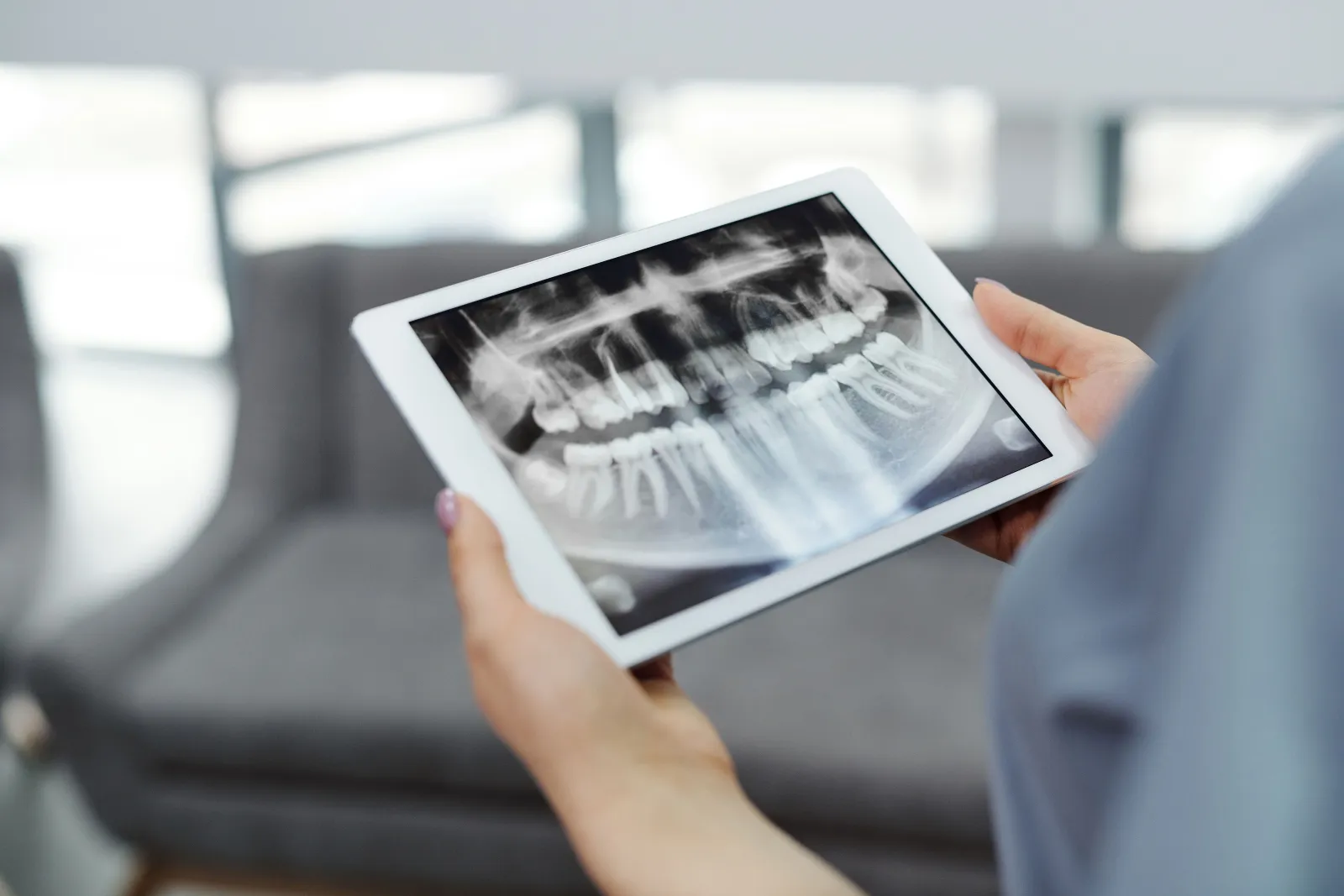
How Much Does a Root Canal Cost? What Changes the Price
Root canal cost follows the tooth: a back tooth has more canals to clean than a front one, and the crown that protects it afterward is a separate line. Dr. D'Alesio explains what a quote covers and what to ask for.
Read more
Can Gum Disease Be Reversed? Where the Line Is
Gingivitis can be reversed because the fibers and bone holding the tooth are still intact. Periodontitis can't be undone, but it can be brought under control and kept stable.
Read more